Exploring Korean Culture: An Educational Journey for Vietnamese Students
Trung Vuong University organized the program “Experience Korean Culture” with the goal of helping young students to have closer contact with Korean culture. This is also a meaningful activity to help nearly 40 students who want to apply to the Faculty of Korean Language and Culture better understand their future major.
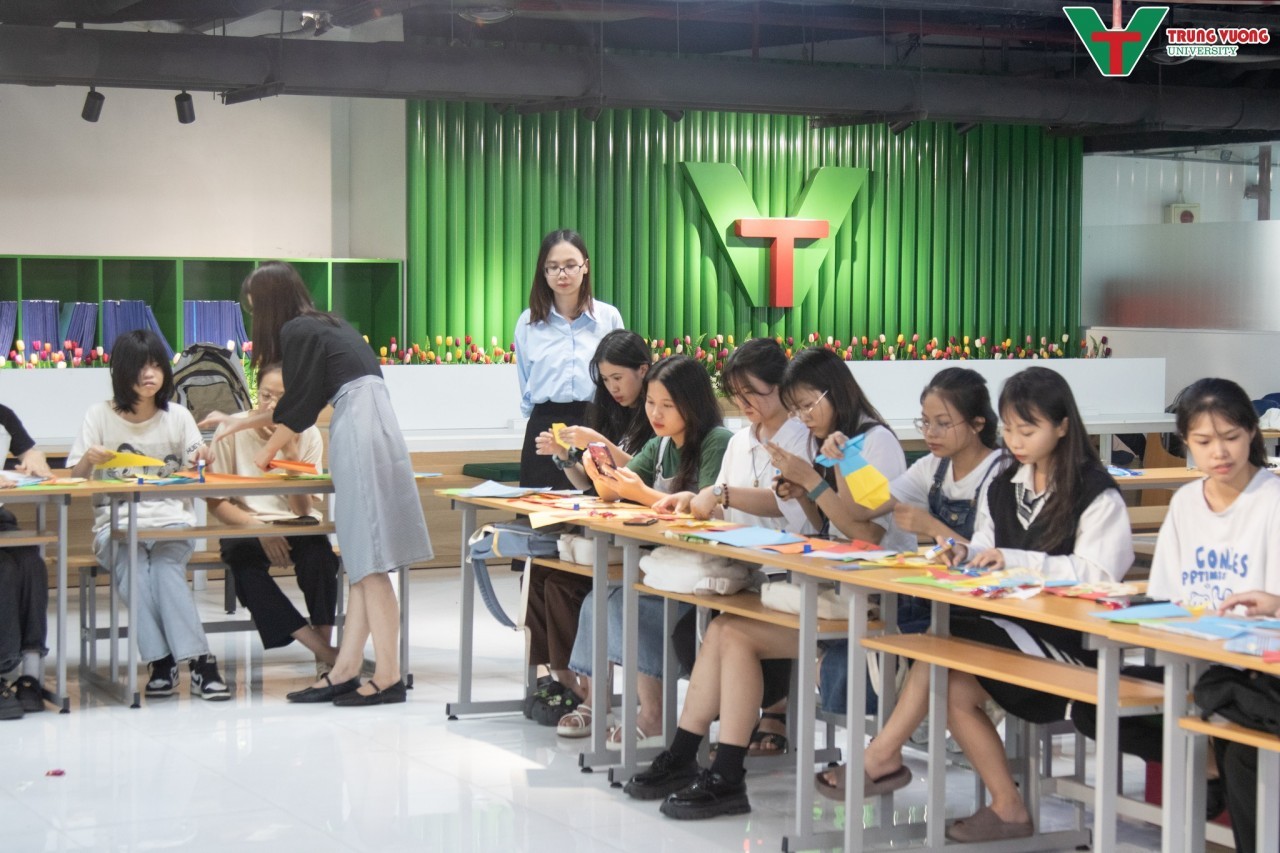
Trung Vuong University organized the program “Experience Korean Culture” with the goal of helping young students to have closer contact with Korean culture. Photo: Trung Vuong University
Many students showed up early, excitedly preparing to participate in the program. Not only the presence of students but there were also little children who wanted to come and play.
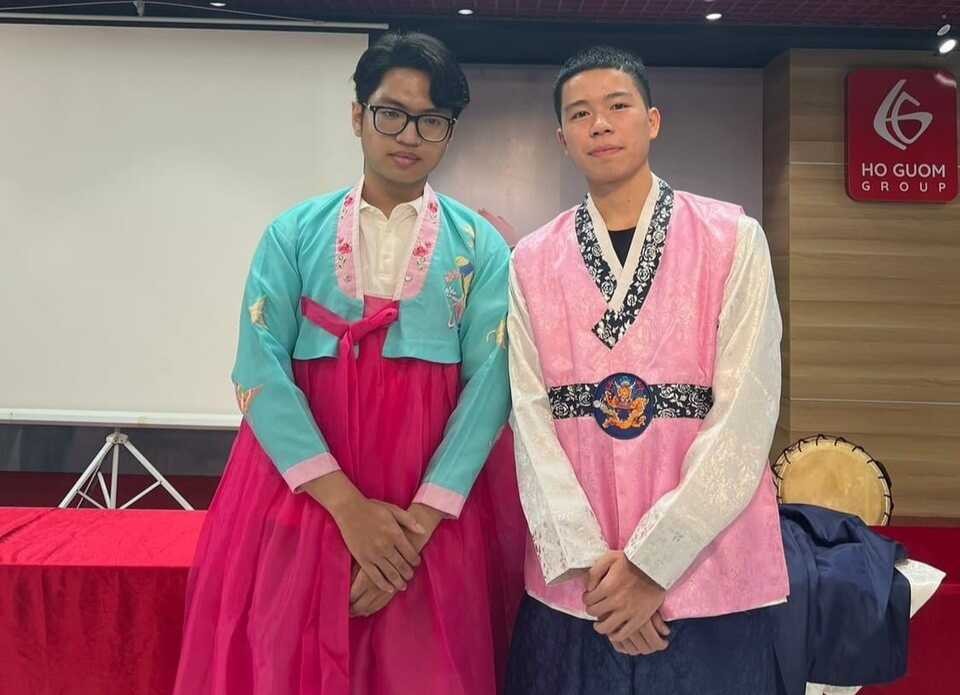
The Organizing Committee has prepared traditional Korean Hanbok. Students had a chance to learn how to wear the costume and its origin, materials, and other facts of it.
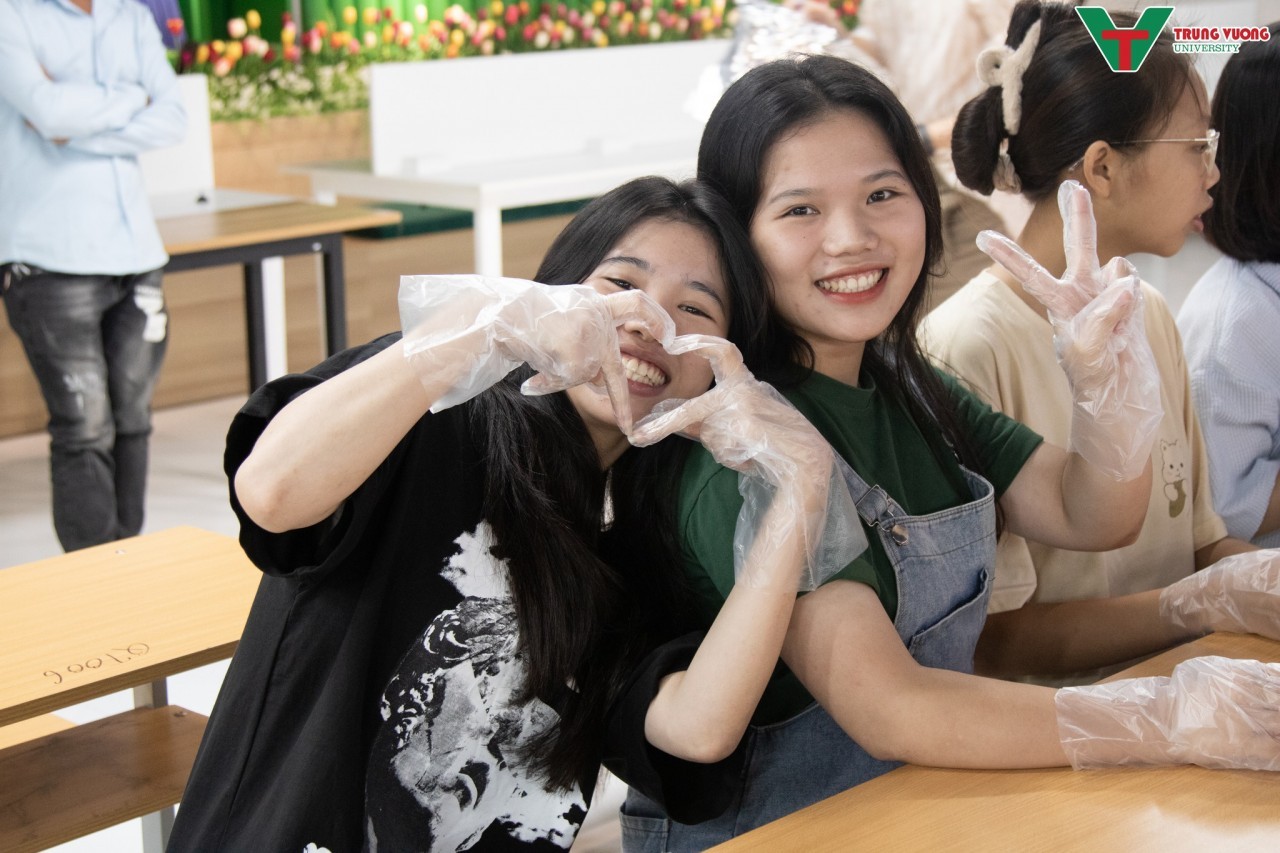
Combined with the process of learning about Hanbok, students were taught the typical Korean art of paper folding (jongi jeopgi). This is a long-standing culture that has been preserved and promoted by Koreans to this day. If Japanese Origami has a sophisticated way of folding paper, with a slightly complicated artistic direction, Korean paper folding is aimed at simplicity, which is suitable for both adults and children.
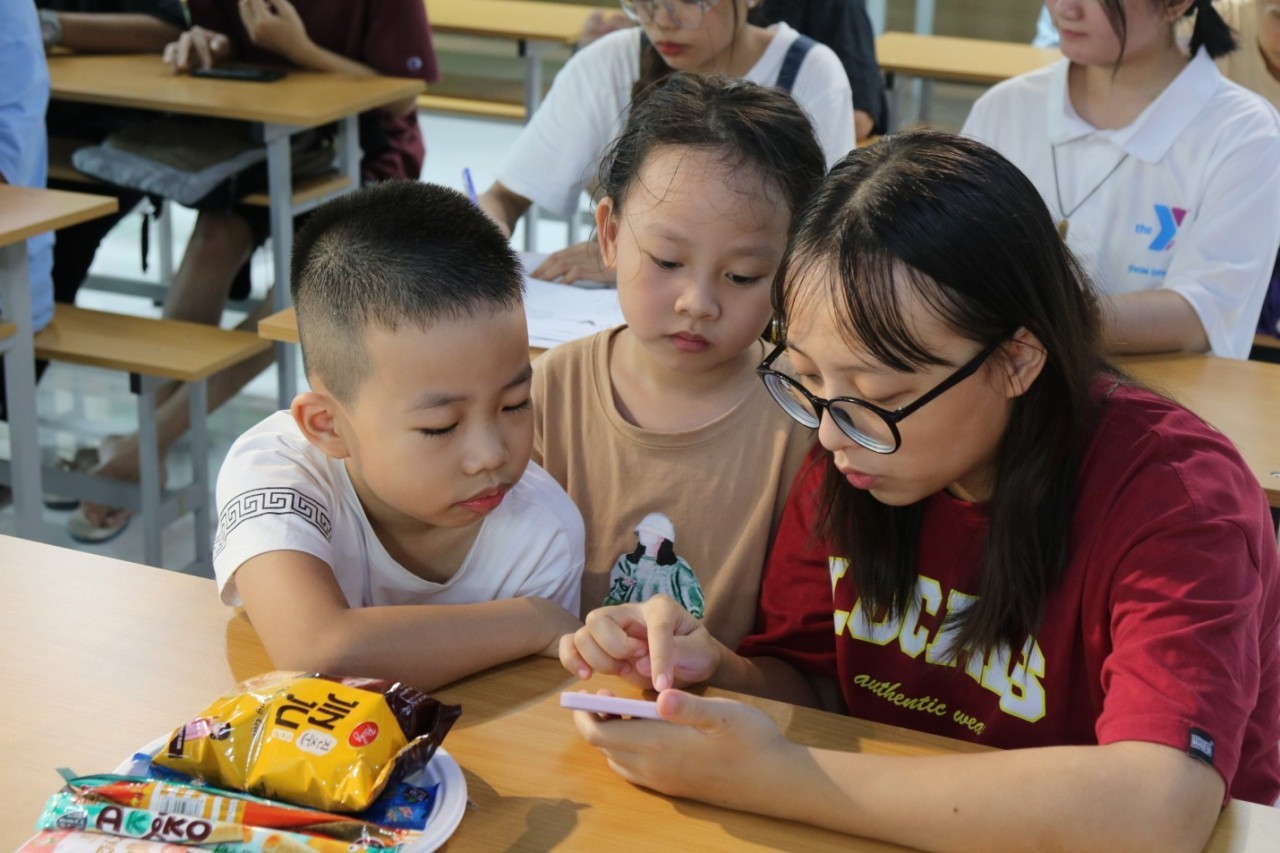
The paper used is called Hanji – a traditional Korean paper created from the inner bark of the mulberry tree, giving the product a certain toughness and softness. Using this kind of paper, the students made beautiful little Hanboks with their own hands according to the teacher’s instructions.
Besides, the students also learned about Korean culture and music from traditional musical instruments to vibrant and modern dances.
The Buk drum is one of the 4 traditional musical instruments of Korea. Buk drums have many sizes to be flexibly selected, in order to suit different events or music. When playing the drums, the artist uses his left hand to tap the leather drum surface, the right-hand holds the drumstick and hits the drum surface or knocks on the side of the drum. This helps the sounds become more diverse.
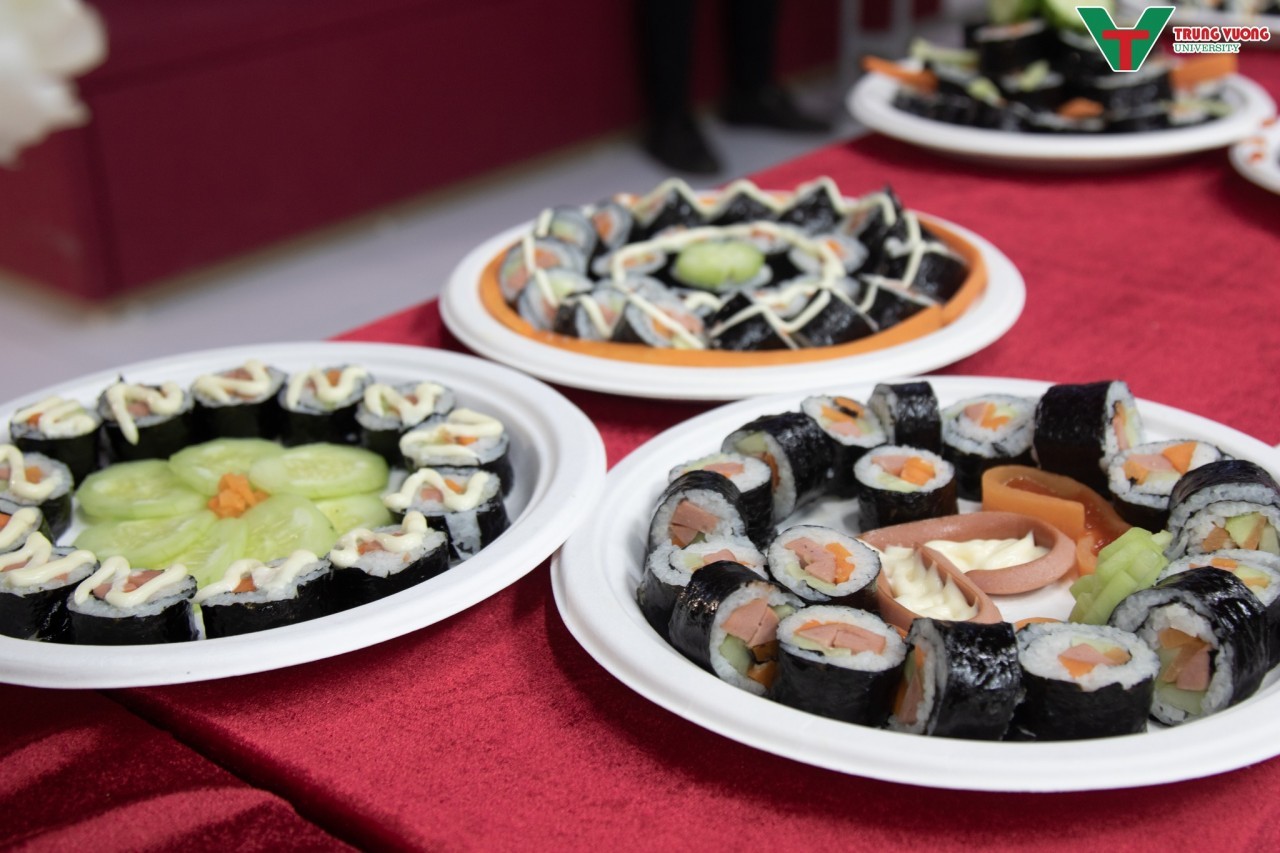
The students also learned how to make Kimbap – a famous Korean rice roll dish. Kimbap is made with rice and various ingredients such as carrots, sausages, cucumbers rolled in dried seaweed leaves. This is a dish that is often taken out to eat at picnics, outdoor events, or as snacks.
Tinh Thi Huong Giang, a student living in Hanoi, said that she is wishing to study at the Faculty of Korean Language and Culture. After learning more about Korean culture, Huong Giang’s love of Korea has deepened.
The post Exploring Korean Culture: An Educational Journey for Vietnamese Students appeared first on Vietexplorer.com.
View more from VietExplorer:
Prime Minister declares nCoV epidemicVietnamese coronavirus song continues going viral
Civil servants spend weekends assisting local residents
Baby coronavirus patient successfully treated
New driving force for Vietnam-EU relations
Xoi Xeo – a popular sticky rice in Hanoi
Vietnam shows off “pho” and “nem ran” at ASEAN Culinary Festival
Snail noodle soup: A dish brings the breath of Hanoi
Steam glutinous rice with ant egg: A speciality of Tay ethnic people
Vietnamese food an attractive tourism product
Grilled Mullet Fish Wrapped in Lotus Leaves
Khmer people’s mixed papaya salad
Mang dang (bamboo sprouts)
Poached Gobies and Galingale
Broken rice: The evolution of a classic Vietnamese dish
Trang Tien ice cream, a Hanoian specialty
Vietnam named Asia’s leading culinary destination
Mong Chicken
‘Banh giay’ of Nung ethnic people in Lao Cai
Ant’s egg rice cakes, a Tuyen Quang specialty


Comments
Post a Comment